


Volvo Trucks profile: the methodical Swede playing the long game on range, leasing and trust
Volvo Trucks profile: the methodical Swede playing the long game on range, leasing and trust
FH Aero Electric and a full electric range, Volvo Financial Services' residual confidence, and a steady cadence of model updates — Volvo's electric strategy is ecosystem-first, and the order book says fleets agree.
2026-08-08 · WattTonne review desk
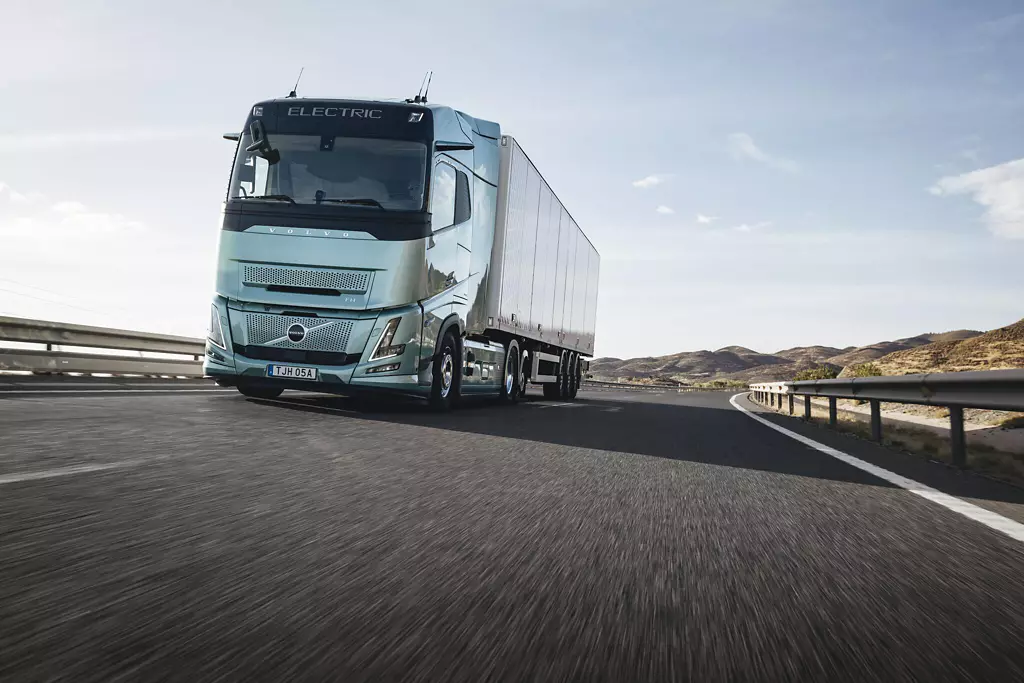
Volvo Trucks electrified the way it does everything: systematically, with the whole balance sheet attached. The result is the deepest electric order book among European incumbents and a strategy that treats the truck as one component of a finance-and-infrastructure package.
The range. The FH Aero Electric leads the heavy line (up to ~540 kWh, ~300 km class, with aerodynamic gains that matter on motorway duty), flanked by FH/FM/FMX Electric variants covering distribution and construction. Volvo’s 2026 updates push claimed ranges upward — the company continues to iterate battery and driveline on an annual cadence rather than waiting for a generational leap. Charging runs at CCS levels (250–350 kW class) with the group’s Milence membership covering corridor infrastructure.
The real product. Volvo Financial Services. In a market where residual uncertainty blocks deals, Volvo’s ability to write operating leases against its own trucks — with residual assumptions backed by the group’s balance sheet and decades of used-truck data — closes procurements that specifications cannot. Add the EU-wide workshop network, driver-training programmes and energy/infrastructure consulting, and the package explains why fleet executives keep signing despite premium pricing.
The competitive position. Volvo’s vulnerabilities are the incumbents’ shared ones: premium pricing against Chinese entrants (whose batteries are often bigger on paper), charging speeds that trail the MCS frontier, and plant capacity an order of magnitude below Chinese leaders. Its defence is the same as Mercedes’: certainty, financed. The difference is emphasis — Volvo leans hardest into the leasing-and-residual argument, which happens to be the one that matters most to CFOs.
WattTonne’s read. Volvo scores at the top of our matrix on compliance, service and track record, with per-contract warranty opacity the shared incumbent deduction. For fleets whose decision is finance-shaped (most 3PLs), the Volvo conversation is often the shortest path to a signable electric deal — just insist on seeing the residual assumption in writing.
- Manufacturer technical documentation
- WattTonne Compare scorecard v0.1
- ACEA registration data
Evidence dated as shown. Corrections and manufacturer evidence: hello@wattonne.com. WattTonne assessments are never for sale; affiliations disclosed on the About page.