


Duty-cycle guide: regional distribution — the segment that already went electric
Duty-cycle guide: regional distribution — the segment that already went electric
Under 300 km/day, overnight at the depot, predictable routes: regional distribution is where 30% of 2025's EU e-truck sales landed. The complete playbook — vehicles, charging, grants and the TCO that closes.
2026-08-08 · WattTonne review desk
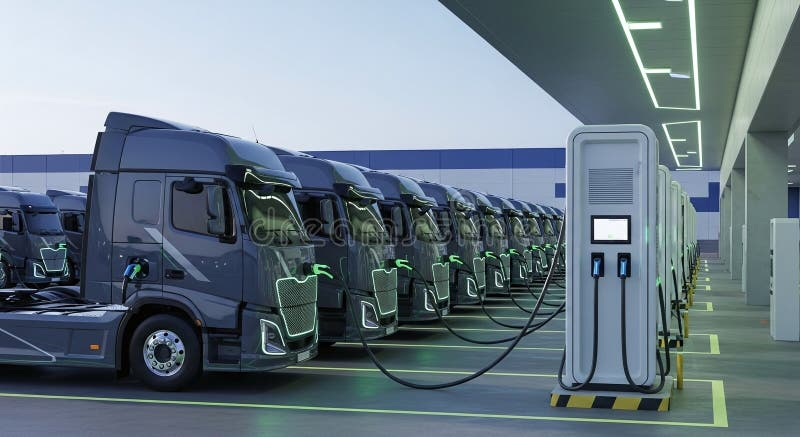
If electric trucking has a home segment, this is it. Regional distribution — depot-based, single-shift, 150–300 km daily on predictable routes — is where roughly 30% of 2025’s EU electric truck sales landed, led by retail and dense distribution networks. The reasons are structural, and they form a checklist any fleet can score itself against.
Why this segment wins. (1) Energy economics: nightly depot charging at €0.15–0.25/kWh delivers €0.16–0.28/km against diesel’s ≈ €0.45/km — the widest safe margin in the industry. (2) Range irrelevance: a 300 km duty fits every electric tractor on sale, at any battery size, with winter margin to spare. (3) Infrastructure simplicity: overnight dwell means modest charger power (40–150 kW per position with load management), no dependence on public networks. (4) Grant fit: this is the duty cycle subsidy programmes are designed around — AanZET, UK Plug-in grants, and scope-3-driven shipper contracts all reward it.
The vehicle shortlist logic. This is the one segment where buying the biggest battery is usually a mistake: a 300 km/day fleet in a 636 kWh tractor is paying for and carrying capacity it never cycles. Modular configurations (MAN eTGX’s smaller pack counts), mid-size offerings (Volvo FM Electric, DAF XD Electric) and right-sized quotes from every OEM — evaluated on delivered price, warranty terms and dealer distance, not on range headlines.
The TCO that closes. At 60,000–90,000 km/year with depot energy and Benelux/German toll exposure, five-year TCO already favours electric in our modelling; add a Dutch grant and the case is not close. The binding constraints are organisational: grid connection lead time (start now), driver familiarisation, and load management so 20 trucks don’t peak-charge simultaneously.
WattTonne’s read. If this is your duty cycle, the question is no longer whether but which window — the September AanZET round, the current UK grant tier, your grid queue position. Run the calculator, call the grid company Monday, and have the board paper ready before the subsidy window opens.
- ING sector analysis (2026-01)
- WattTonne TCO model
- Danish depot energy data
- National grant documentation
Evidence dated as shown. Corrections and manufacturer evidence: hello@wattonne.com. WattTonne assessments are never for sale; affiliations disclosed on the About page.