


Ninatrans and the sceptics: what Europe’s electric holdouts need to be convinced
Ninatrans and the sceptics: what Europe’s electric holdouts need to be convinced
The Benelux’s thoughtful sceptics — mid-size family fleets publicly unconvinced by electric TCO — are the market’s real conversion battleground. What the evidence says, and what would move them.
2026 · WattTonne news desk · archive edition (compiled at relaunch, event date as shown)
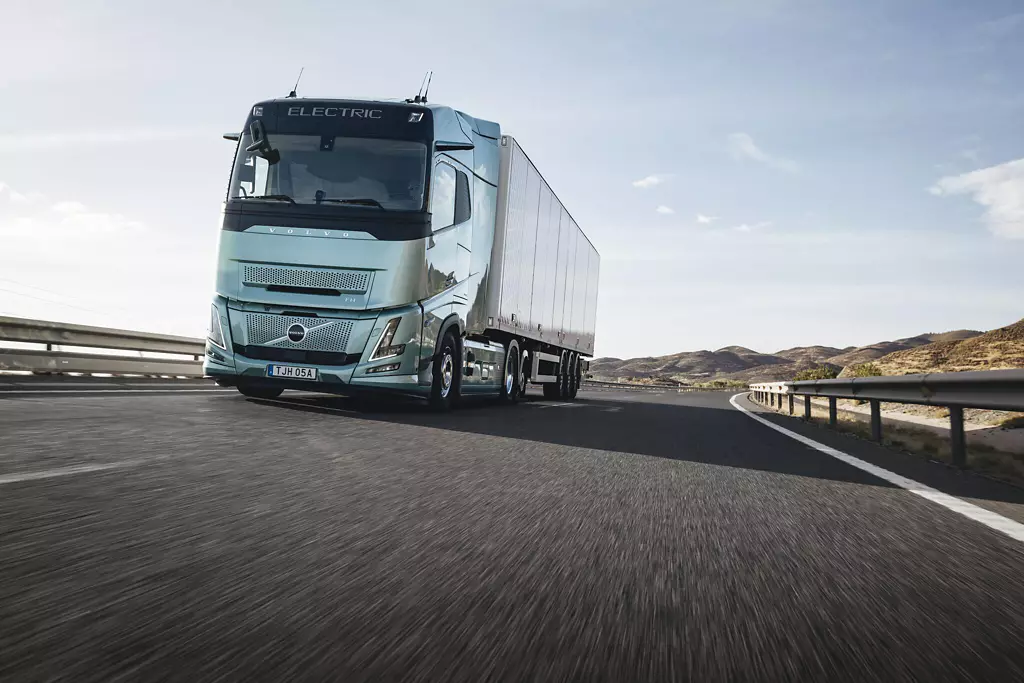
Not every Benelux fleet is converting. Mid-size family operators — Ninatrans being the publicly cited example among Belgian hauliers — remain openly sceptical about electric trucks’ economics: purchase premiums, residual uncertainty, infrastructure costs, and doubts about real-world range on their actual routes. Their position is coherent, and understanding it matters more than dismissing it.
The sceptic’s arithmetic deserves an honest answer rather than evangelism: at single-shift, low-mileage duty without toll exposure or grants, diesel can still win a five-year comparison — our own calculator shows it under exactly those inputs. What changes the answer is the incentive stack the sceptics operate inside (the Benelux CO₂ toll at €0.166/km is ~€25,000/truck/year at corridor mileage), duty-cycle selection (electrify the paying loops, keep diesel on the rest), and evidence from peers (EUTRACO’s 54-truck operation an hour’s drive away).
WattTonne’s editorial stance is the sceptics’ own: evidence, weighed. We don’t ask Ninatrans or its peers to believe — we ask them to run their kilometres through the calculator and read the EUTRACO file. Conversion of the holdouts, when it comes, will arrive via their accountants, not our enthusiasm — which is precisely how a durable transition should happen.
- WattTonne Benelux fleet interviews
- TCO model outputs
Archive news entry: real event, original date and source cited; compiled into the WattTonne archive at relaunch. Corrections: hello@wattonne.com.