


Battery swap economics: the utilisation iron rule that decides everything
Battery swap economics: the utilisation iron rule that decides everything
Swap stations lose money below ~20% utilisation and print money above 40%. What that means for European fleets weighing Qiji/Swaptopus against megawatt charging — with the China build-out numbers as reference.
2026-08-08 · WattTonne review desk
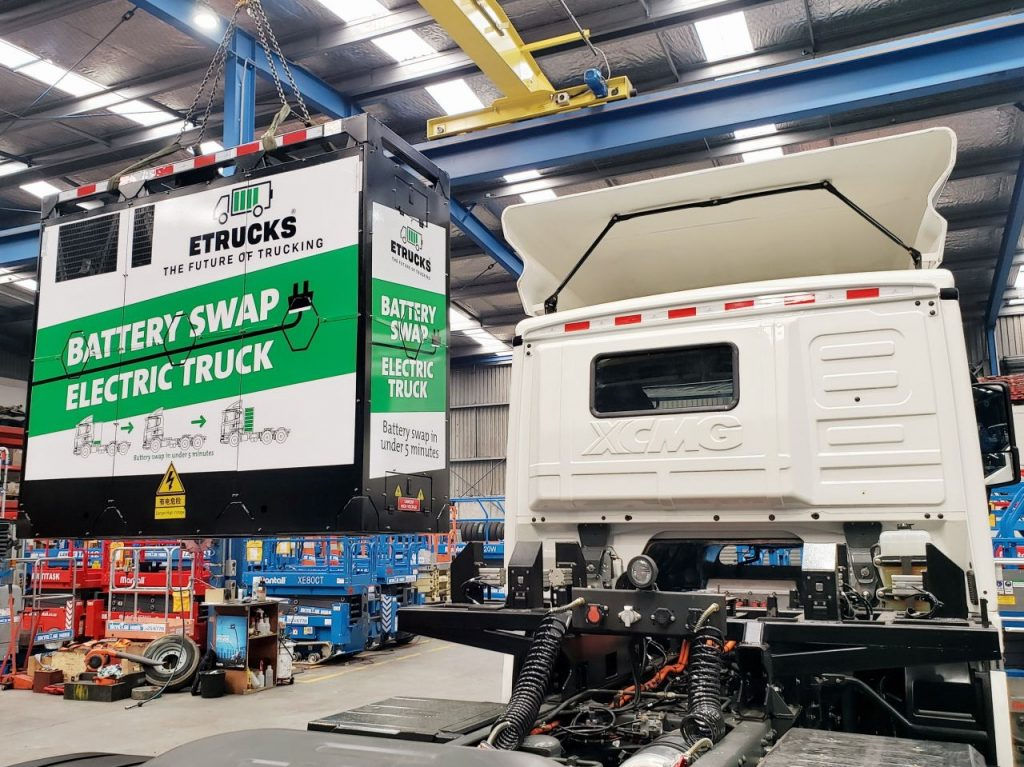
Battery swapping is not a technology question; it is an occupancy question. A swap station is a vending machine for electricity whose entire cost base — capex (a Chinese reference station runs to roughly ¥9.15 million excluding batteries, ≈ €1.1–1.2 million), battery inventory, land, grid connection, operations — is fixed, while its revenue scales with swaps per day. Everything else is commentary.
The iron rule. Below roughly 20% utilisation a swap station loses money — full stop, regardless of how good the trucks are. China’s single-station reference model (≈11.6% after-tax return, 5.2-year payback) works at sustained high throughput on industrial corridors where trucks run double shifts around the clock. European corridor modelling tells the same story in euros: a station serving ~30 trucks on a double-shift corridor reaches payback around year three at attractive returns; the same hardware on a single-shift distribution route never recovers.
Why utilisation is a chicken-and-egg problem. Stations need committed fleets before construction; fleets need stations before committing trucks. China broke the deadlock with state-coordinated industrial fleets (coal, steel, port tractors ordered in hundreds). Europe’s answer so far is the anchor-tenant model: the CATL–Octopus Swaptopus venture plans UK super-hubs from 2027 on high-intensity trunk routes, and its differentiator is exactly designed for the utilisation problem — station batteries double as grid-trading assets via Octopus’s Kraken platform, so the station earns even when trucks aren’t swapping. That is the first European business model that doesn’t rely on truck volume alone.
The questions that expose a weak swap proposal. (1) What is the committed anchor volume — trucks per day, in writing, from whom? (2) What is the per-kilometre battery-service price, and what happens to it if utilisation undershoots? (3) Which other truck brands can use the station — is the standard open or proprietary? (4) Who owns the batteries, and what is the degradation/SoH guarantee in writing? (5) What is the exit value of my swap-compatible trucks if the network stalls? A provider who answers all five cleanly deserves your corridor contract; one who deflects any of them is selling you their utilisation risk.
Our standing guidance. Depot single-shift: charge, never swap. Corridor double-shift at committed high volume: model swap seriously — it can beat charging on 8-year TCO. Anything else: charging, because AFIR-funded corridor coverage is being built while swap coverage remains a plan.
- WattTonne corridor swap TCO research (2026)
- China single-station reference model (industry data)
- CnEVPost on Swaptopus (2026-06-22)
- chargedEVs on CATL build-out
Evidence dated as shown. Corrections and manufacturer evidence: hello@wattonne.com. WattTonne assessments are never for sale; affiliations disclosed on the About page.