


WattEV’s San Bernardino depot: 11.5 MW, 30 CCS ports, six 1.2 MW megawatt ports — the US depot archetype
WattEV’s San Bernardino depot: 11.5 MW, 30 CCS ports, six 1.2 MW megawatt ports — the US depot archetype
Background record (2025): WattEV commissioned its San Bernardino truck-charging depot with 11.5 MW site capacity, thirty 250 kW CCS ports and six 1.2 MW MCS ports — the reference design for America’s megawatt-ready mega-depots.
2025-12 · WattTonne news desk · archive edition (compiled at relaunch, event date as shown)
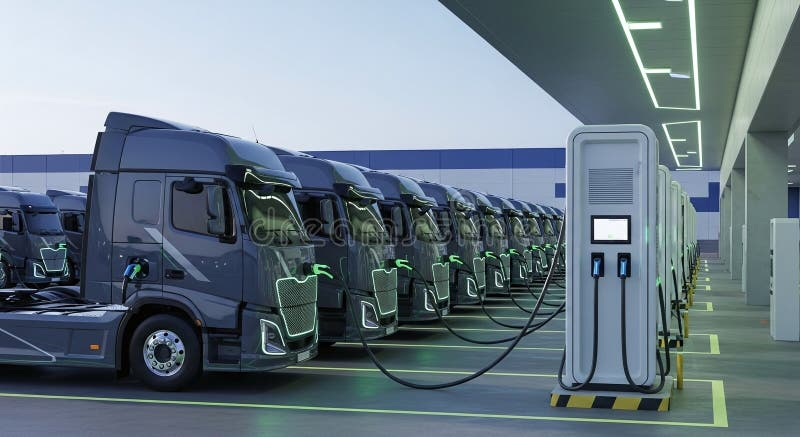
Background record: WattEV commissioned its San Bernardino truck-charging depot in 2025 with 11.5 MW of site capacity — thirty 250 kW CCS ports and six 1.2 MW megawatt ports — making it one of the largest truck-charging installations in North America and the reference design for megawatt-ready mega-depots.
The design logic travels: size the grid connection for the future (11.5 MW), deploy today’s connectors (CCS), pre-install the megawatt layer (six MCS ports) for when the fleet transitions — the same future-proofing Kempower’s dual-connector Flex now productises. WattEV’s truck-as-a-service model (fleets pay per use of trucks-plus-charging) also mirrors Europe’s emerging TaaS plays from Einride to NexDash.
For European depot planners, San Bernardino is the benchmark for grid-first thinking: the connection is the asset, hardware is the accessory. EUTRACO’s 14.4 MW Antwerp installation is its European counterpart — covered in our Belgium case study — and both prove the same point: depot-scale energy is an industrial project, and it belongs at the top of the electrification sequence.
- marqstats infrastructure report
- WattEV communications
Archive news entry: real event, original date and source cited; compiled into the WattTonne archive at relaunch. Corrections: hello@wattonne.com.