


EU electric truck registrations up 47.7% in H1 2026 — the acceleration is real, the base is small
EU electric truck registrations up 47.7% in H1 2026 — the acceleration is real, the base is small
ACEA’s half-year data shows electric trucks growing six times faster than the overall EU truck market, yet holding just 4.8% share. What fleet buyers should read into the numbers.
2026-08-03 · WattTonne review desk · ~7 min read
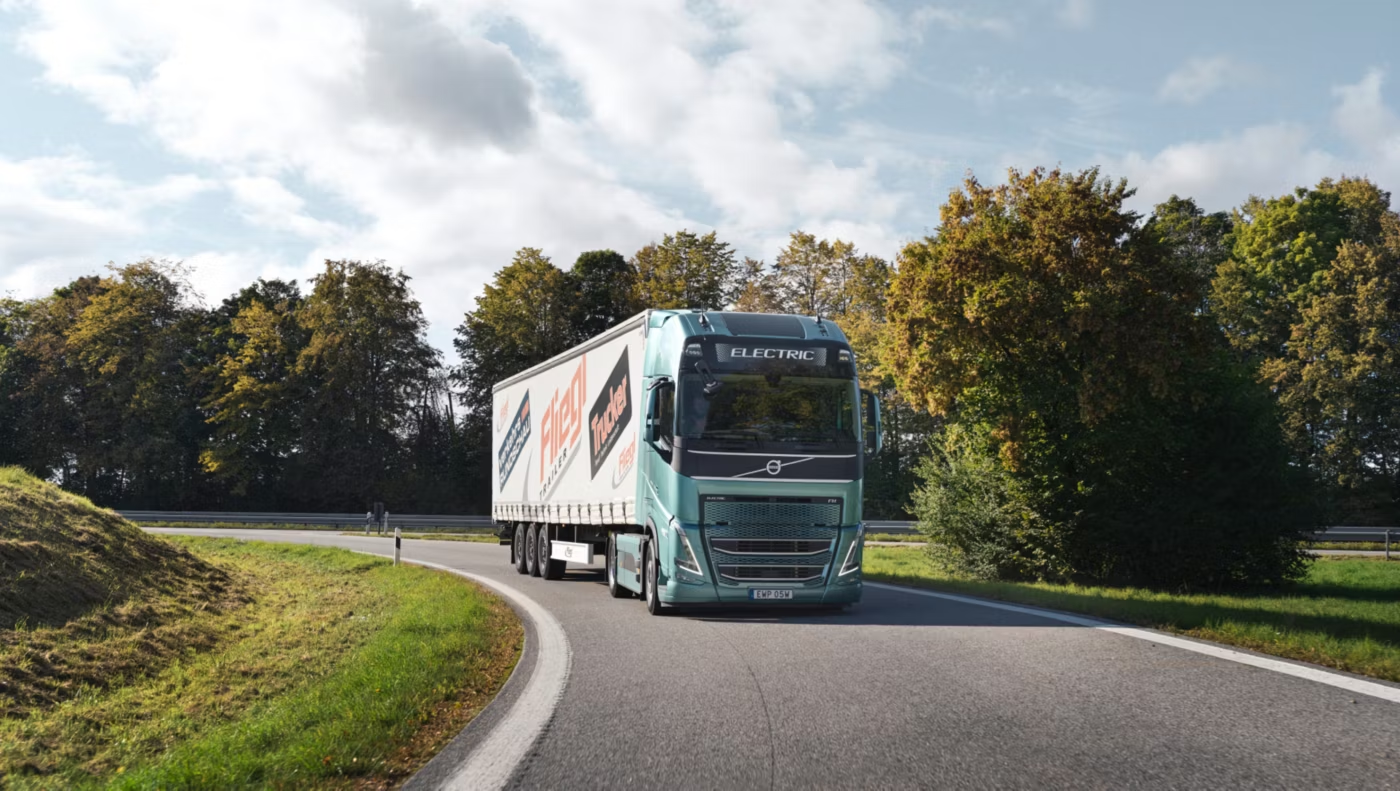
The European truck market grew 9.8% in the first half of 2026 to 171,933 registrations, according to ACEA figures published at the end of July. Inside that total, one segment moved very differently: electrically chargeable trucks grew 47.7% year-on-year, lifting their market share from 3.6% to 4.8%. Diesel’s share stands at 92.1% — dominant, but no longer untouched.
Three readings matter for a fleet making a purchase decision this year. First, the growth is concentrated where the policy levers are: Germany, the Netherlands and France together account for roughly two-thirds of EU electric truck registrations, and the Netherlands doubled its volumes in 2025 on the back of the AanZET grant and the incoming CO₂-graded toll. Adoption is not a climate of opinion; it is a map of incentives. Second, the buyer profile is narrowing into focus: ING estimates around 30% of 2025 volumes went to retail and dense distribution networks — operators with their own depots, predictable routes and overnight charging windows. The early majority is the depot-based fleet, not the long-hauler. Third, the supplier side is racing ahead of demand: every European OEM now has product on sale, and Chinese entrants led by SANY started German deliveries this spring. Supply competition in a small market means negotiating leverage shifts toward buyers.
The counterweight is scale. Fourteen member states still register fewer than 100 electric trucks a year. Public megawatt charging along corridors is being built rather than built. Residual values remain unproven because there is no meaningful secondary market yet. None of these are arguments against electrifying a suitable duty cycle; they are arguments for choosing the duty cycle first and the truck second.
Our expectation for the full year: growth holds above 40%, share ends 2026 somewhere between 5% and 6%, and the policy-heavy markets — Germany with its toll exemption now secured to mid-2031, the Benelux with CO₂-graded tolls live since 1 July — pull further ahead of the rest. The volume cliff is not 2026. It is 2030, when the EU’s −45% CO₂ target for new trucks takes effect and manufacturers must sell electric at scale or pay for it.
What to do with this
If your routes are depot-based regional distribution, the market data says you are in the segment that is already buying — the question is no longer whether the technology works but which subsidy window you can still catch. If you run corridor double shifts, the leverage point is the toll gap, now worth roughly €0.166 per kilometre in the Benelux. Run your own numbers in our TCO calculator before your next fleet review.
- ACEA H1 2026 registration data via electrive (2026-07-29)
- ING sector analysis via trans.info (2026-01)
- CLECAT market summary (2026-01-30)
Evidence dated as shown. Corrections and manufacturer evidence: hello@wattonne.com. WattTonne assessments are never for sale; affiliations disclosed on the About page.