


EU AFIF second phase funds 19 heavy-vehicle charging projects — ~2,000 points at 350 kW+, ~600 at 1 MW
EU AFIF second phase funds 19 heavy-vehicle charging projects — ~2,000 points at 350 kW+, ~600 at 1 MW
2026: the second AFIF funding wave spreads truck charging across 11 member states — the EU’s co-funding machinery shifting from cars to freight, with megawatt-class points now a sixth of the total.
2026 · WattTonne news desk · archive edition (compiled at relaunch, event date as shown)
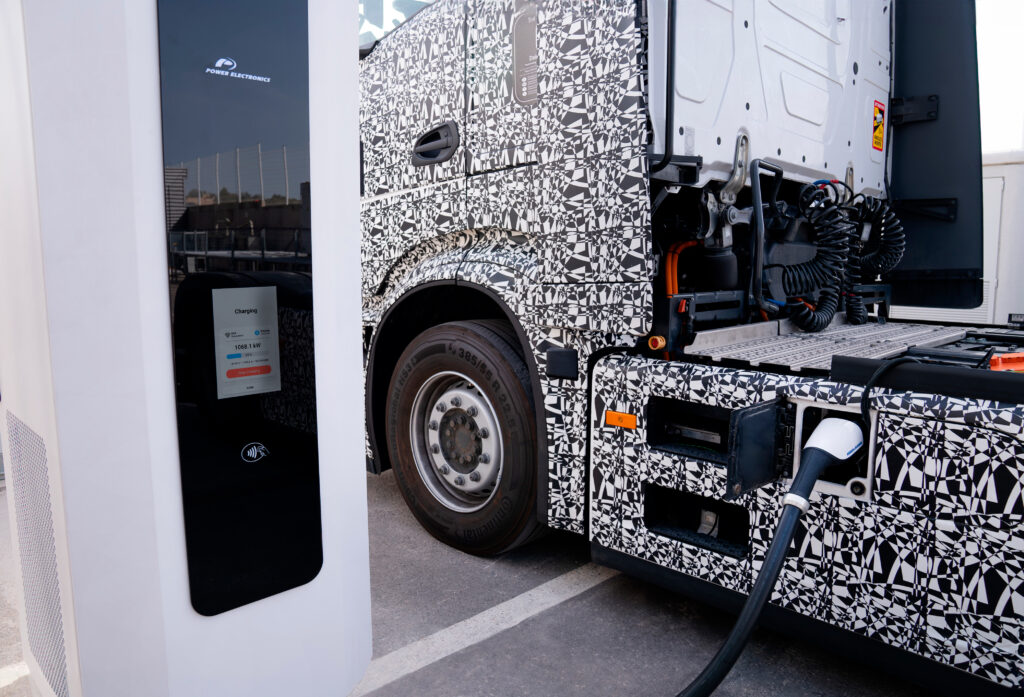
The EU’s Alternative Fuels Infrastructure Facility (AFIF) second funding phase in 2026 backed 19 heavy-vehicle charging projects across 11 member states, adding roughly 2,000 charging points above 350 kW and nearly 600 above 1 MW — the clearest sign yet that Brussels’ infrastructure money has pivoted from passenger cars to freight.
Context matters: AFIR (the regulation) mandates coverage; AFIF (the facility) pays for it. Phase one seeded the first corridors (including Milence’s €111M-backed build); phase two doubles down with megawatt-class hardware as a planned sixth of new points — the EU explicitly funding the 1 MW layer, not just yesterday’s CCS. For CPOs, AFIF calls have become the difference between viable and unviable corridor sites; for fleets, the funded project list is the most reliable predictor of where charging actually exists in 2027–28.
We track AFIF awards in Subsidy Watch’s EU-framework section. Fleets with cross-border lanes should map the 19 funded projects against their routes — co-funded sites have contractual opening obligations, making them firmer infrastructure than press-release plans.
- marqstats infrastructure report (2026)
- CINEA/AFIF award documentation, compiled
Archive news entry: real event, original date and source cited; compiled into the WattTonne archive at relaunch. Corrections: hello@wattonne.com.