


CATL’s Naxtra sodium-ion goes large-scale in 2026 — swap, trucks, storage all targeted
CATL’s Naxtra sodium-ion goes large-scale in 2026 — swap, trucks, storage all targeted
CATT’s sodium-ion battery line enters mass deployment this year across swap stations, passenger and commercial vehicles and energy storage — with cold-weather and fire-safety characteristics marketed specifically at the swap duty cycle. The chemistry war gets a third front.
2026-04 · WattTonne news desk · archive edition (compiled at relaunch, event date as shown)
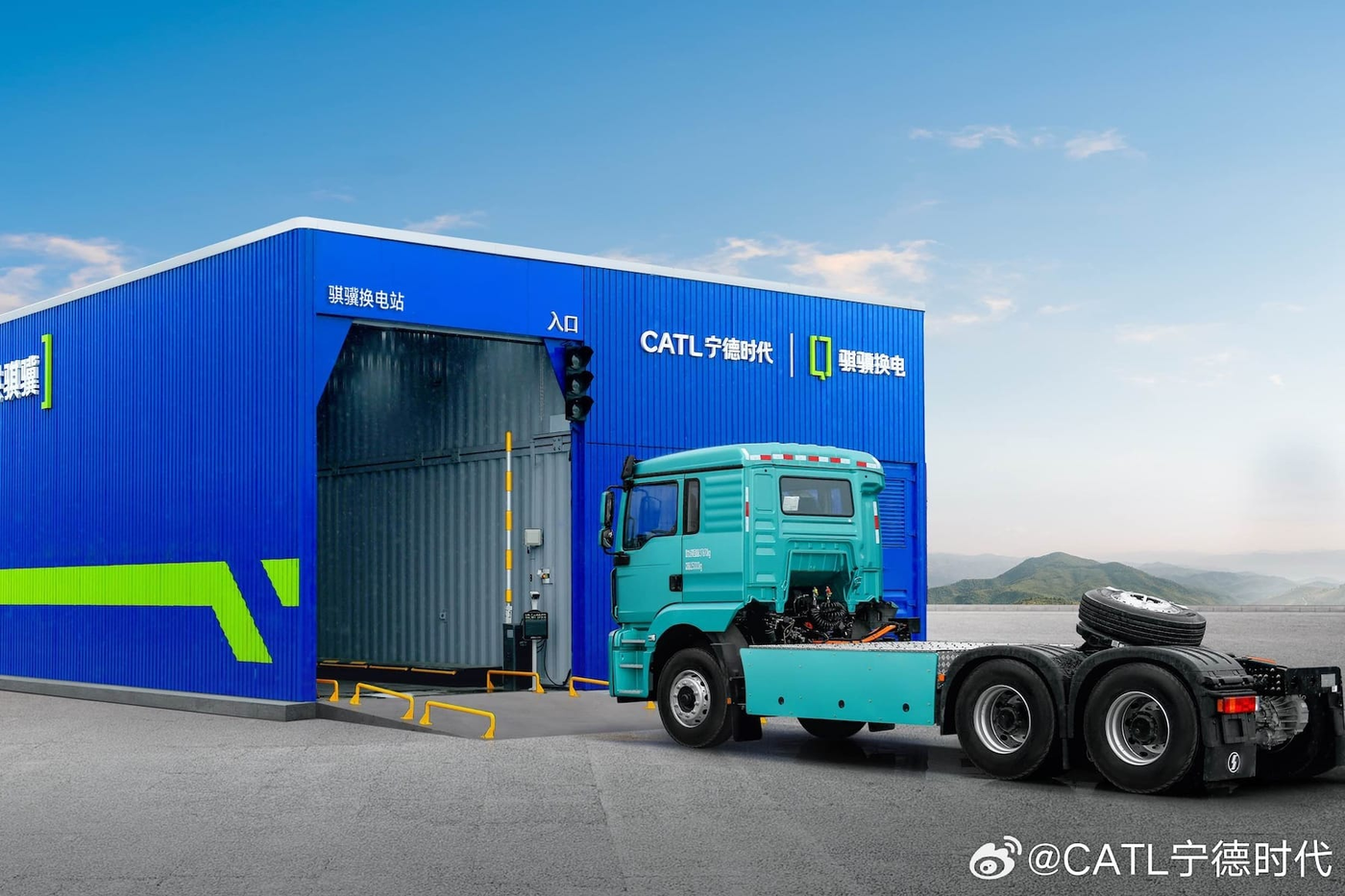
CATL announced that its Naxtra sodium-ion batteries will go to large-scale application from 2026 across its swap networks, passenger and commercial vehicles, and energy storage — with cold-weather performance and fire-safety characteristics positioned specifically for swap-station duty (where packs cycle hard and sit in conditioned racks between uses).
Sodium-ion’s significance for trucking is cost and temperature, in that order. Sodium cells trade energy density for cheaper raw materials (no lithium, no cobalt) and better low-temperature behaviour — for swap trucks running fixed corridors with standardised pack sizes, density matters less and cost matters more. If Naxtra’s fleet data confirms the claims, swap’s per-kilometre service pricing (the number European fleets keep asking Swaptopus for) gets a structural downward push.
For the chemistry map: LFP now dominates heavy trucks (Mercedes eActros 600, SANY e263/EVE, BYD Blade, IVECO’s CATL packs), nickel chemistries retreat to premium niches, and sodium arrives as the cost challenger — first in swap and storage, where CATL controls the format. European fleets will meet sodium in Chinese platforms first; watch for the first European OEM announcements at IAA.
- CnEVPost on CATL 2025 results & Naxtra (2025-12-30)
- Pandaily (2026-01)
- CarNewsChina (2026-07)
Archive news entry: real event, original date and source cited; compiled into the WattTonne archive at relaunch. Corrections: hello@wattonne.com.