


Qiji’s mid-2026 scoreboard: regional clusters at 121–179 stations, 900-station target in reach
Qiji’s mid-2026 scoreboard: regional clusters at 121–179 stations, 900-station target in reach
CATL’s truck-swap network reports its densest clusters — Yangtze Delta 179, Sichuan-Chongqing 123, Jingjinji 121, Greater Bay 116 commercial-vehicle stations — with the Hurong trunk operational and the 900-station 2026 target on track.
2026-07 · WattTonne news desk · archive edition (compiled at relaunch, event date as shown)
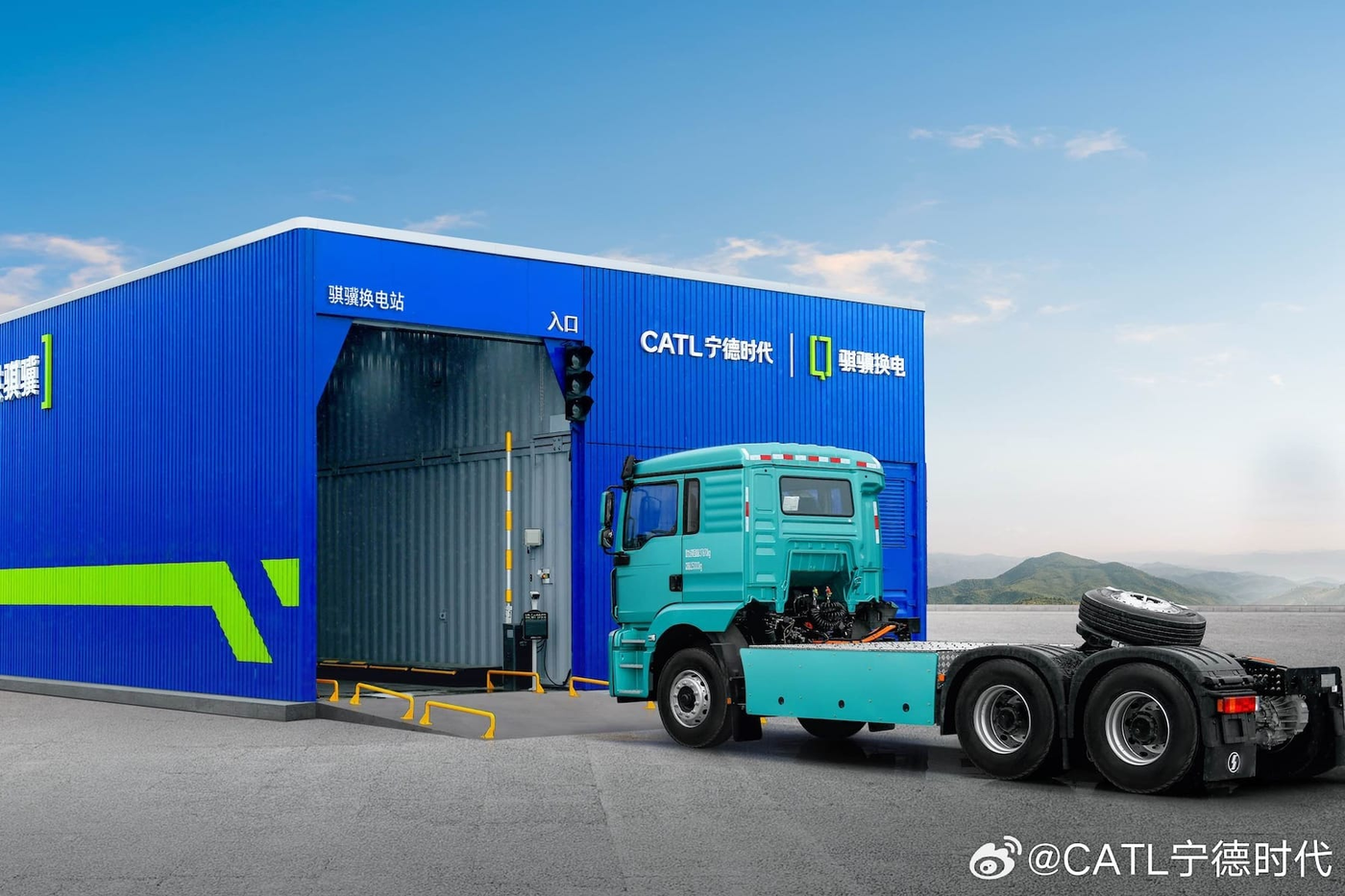
Mid-year reporting on CATL’s Qiji network shows the regional build concentrating into four dense clusters — Yangtze Delta 179, Sichuan-Chongqing 123, Beijing-Tianjin-Hebei 121 and Greater Bay Area 116 commercial-vehicle swap stations — on top of the corridor layer (the 1,250 km Hurong trunk, operational since December 2025, extending toward Shanghai through 2026).
The numbers frame the year’s target: roughly 900 Qiji stations by end-2026 from 305 built in 2025 — an aggressive but precedented pace given CATL’s total 1,325 stations of all types last year and a 200+/month build rate on the passenger Choco network (which passed 2,000 by June). The cluster strategy is deliberate: regional density first (utilisation), corridors second (coverage), national grid as the sum (the ‘five horizontal, five vertical’ 2028 plan and ‘eight horizontal, ten vertical’ 2030 vision).
For European observers, the scoreboard is the reference for any swap claim made in Europe: when Swaptopus promises UK super-hubs from 2027, the question to ask is which Chinese cluster its first-year build resembles — and what anchor volume underwrites it. Our China case studies (Jingjinji, GBA, Chongqing, Hurong) carry the per-cluster analysis.
- CATL network disclosures via industry press (2026)
- Autohome/CnEVPost tracking
Archive news entry: real event, original date and source cited; compiled into the WattTonne archive at relaunch. Corrections: hello@wattonne.com.