


Sixteen case studies, weighed.
Charging and battery-swap infrastructure as it actually works: ten Chinese regions, the UK, and five European and American markets. Every case separates verified numbers from estimates, and ends with what transfers to Europe — and what doesn’t. Framework: Charging vs Swap.
China — ten regions
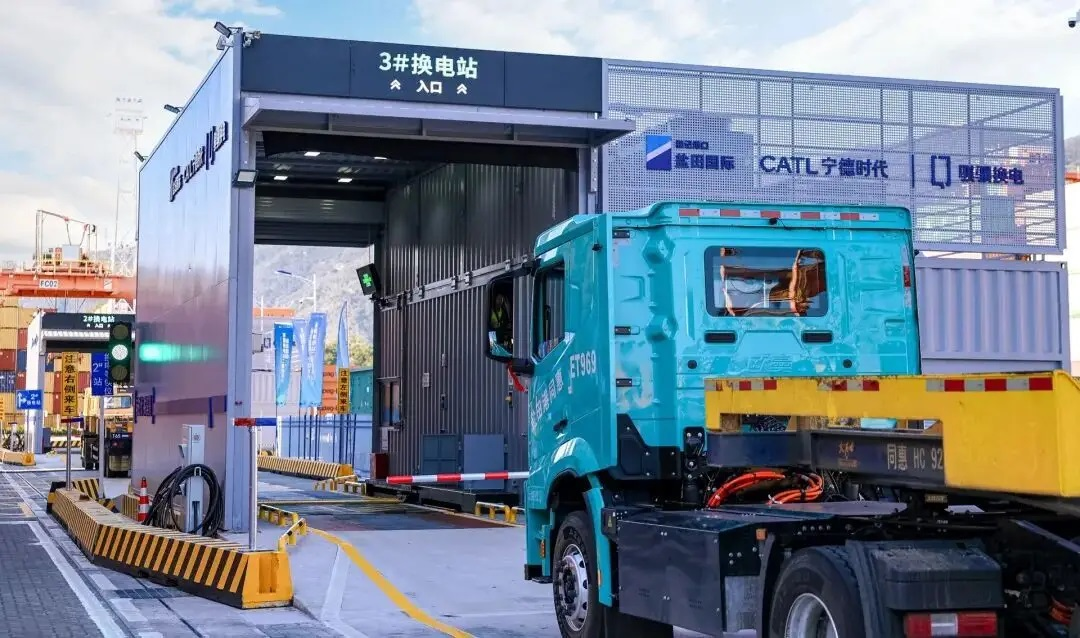
Case: Yantian Port, Shenzhen — the world’s largest under-chassis swap port, one year in
From a single demonstration station in November 2024 to three stations serving 250+ swap trucks by January 2026: the most complete verified …
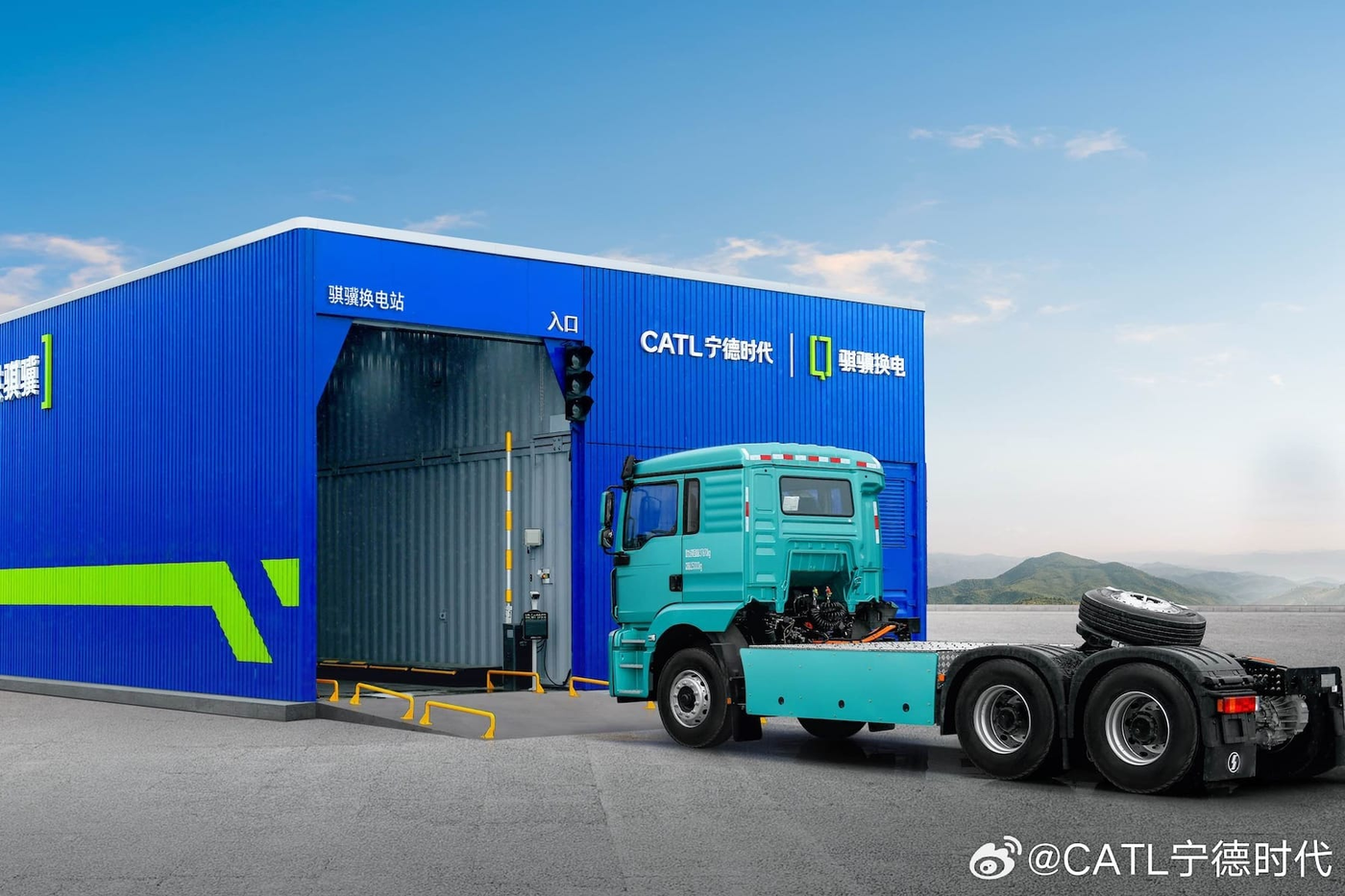
Case: the 1,250 km Hurong trunk — China’s longest swap corridor, built in 180 days
Chengdu to Wuhan in under 18 hours with five-minute swaps, 12 bidirectional stations, a 1,000-truck Sinotruk–Bashu Logistics deal signed at …
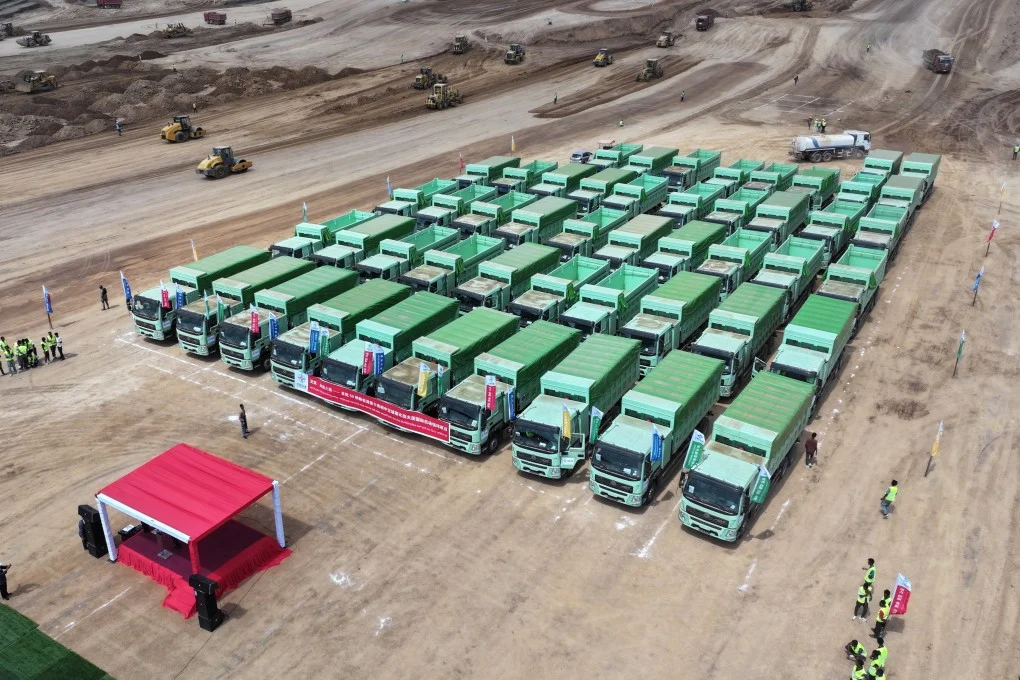
Case: Tangshan, Hebei — the steel city that became China’s electric truck capital
Thousands of electric heavy trucks hauling ore, coal and steel in and out of the world’s largest steel cluster: Tangshan shows what happens …
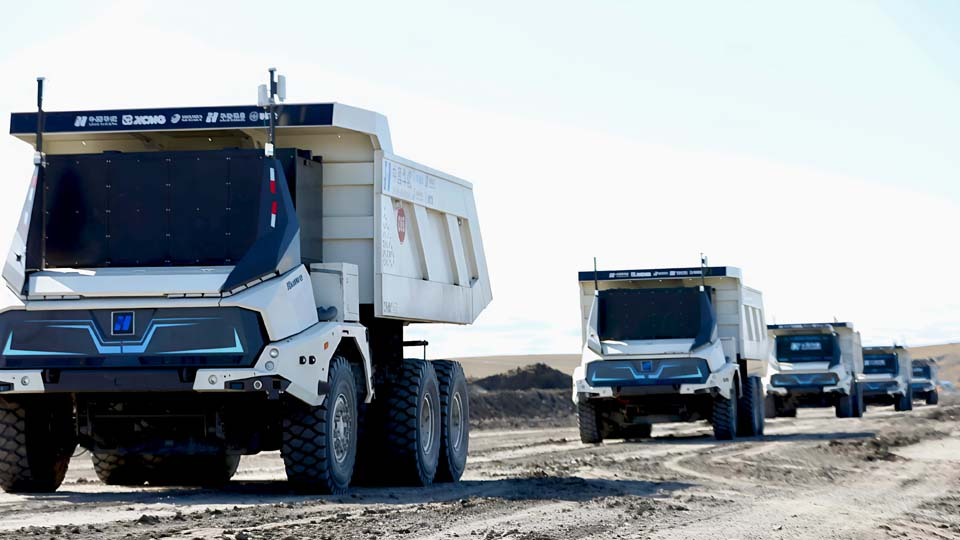
Case: Ordos, Inner Mongolia — coal corridors, extreme cold, and the harshest test of electric trucking
Sub-zero winters, heavy loads, mine-to-railhead loops: the Ordos coal region is where electric heavy trucks face their toughest operating en…
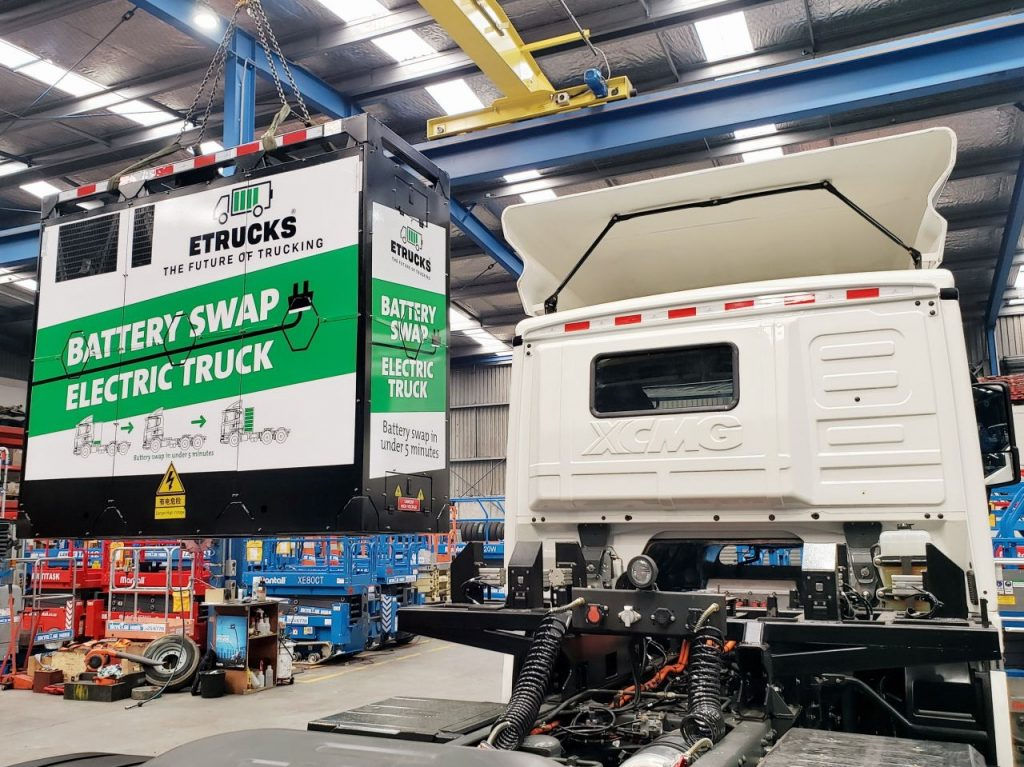
Case: Xuzhou — the XCMG home base and what a factory town does for electrification
China’s 2025 electric heavy-truck sales champion is headquartered in Xuzhou, Jiangsu — and the region’s mines, ports and construction fleets…
Case: Chongqing — CATL’s proving ground and the anatomy of a swap test-field city
Dense Qiji deployment, highway partnerships with the municipality’s investment groups, and the launchpad of the 1,250 km Hurong corridor: Ch…
Case: Shanxi — the coal heartland’s charging-first corridors
China’s coal province electrifies mine-to-rail logistics with a charging-heavy mix: long fixed corridors, overnight depot charging at pit mo…
Case: Beijing–Tianjin–Hebei — the 121-station cluster and regional network economics
With 121 commercial-vehicle swap stations in the Beijing-Tianjin-Hebei cluster alone, northern China’s megacity region shows what swap infra…
Case: the Greater Bay Area — 116 stations, port clusters, and the expressway build now under way
Guangzhou–Shenzhen’s megacity region combines the Yantian port showcase, 116 commercial swap stations, and highway network construction now …
Case: Fujian — CATL’s home turf, where the battery banker tests everything first
Ningde and Fuzhou are CATL’s backyard: the first Choco stations, the Qiji engineering base, hybrid swap-plus-supercharging pilots and sodium…
United Kingdom, Europe & the United States
Case: Swaptopus, UK — CATL × Octopus and the grid-revenue answer to swap’s utilisation problem
A 50:50 venture pairing Qiji swap hardware with Octopus’s Kraken energy trading, targeting UK super-hubs from 2027 and 30+ stations by 2035.…
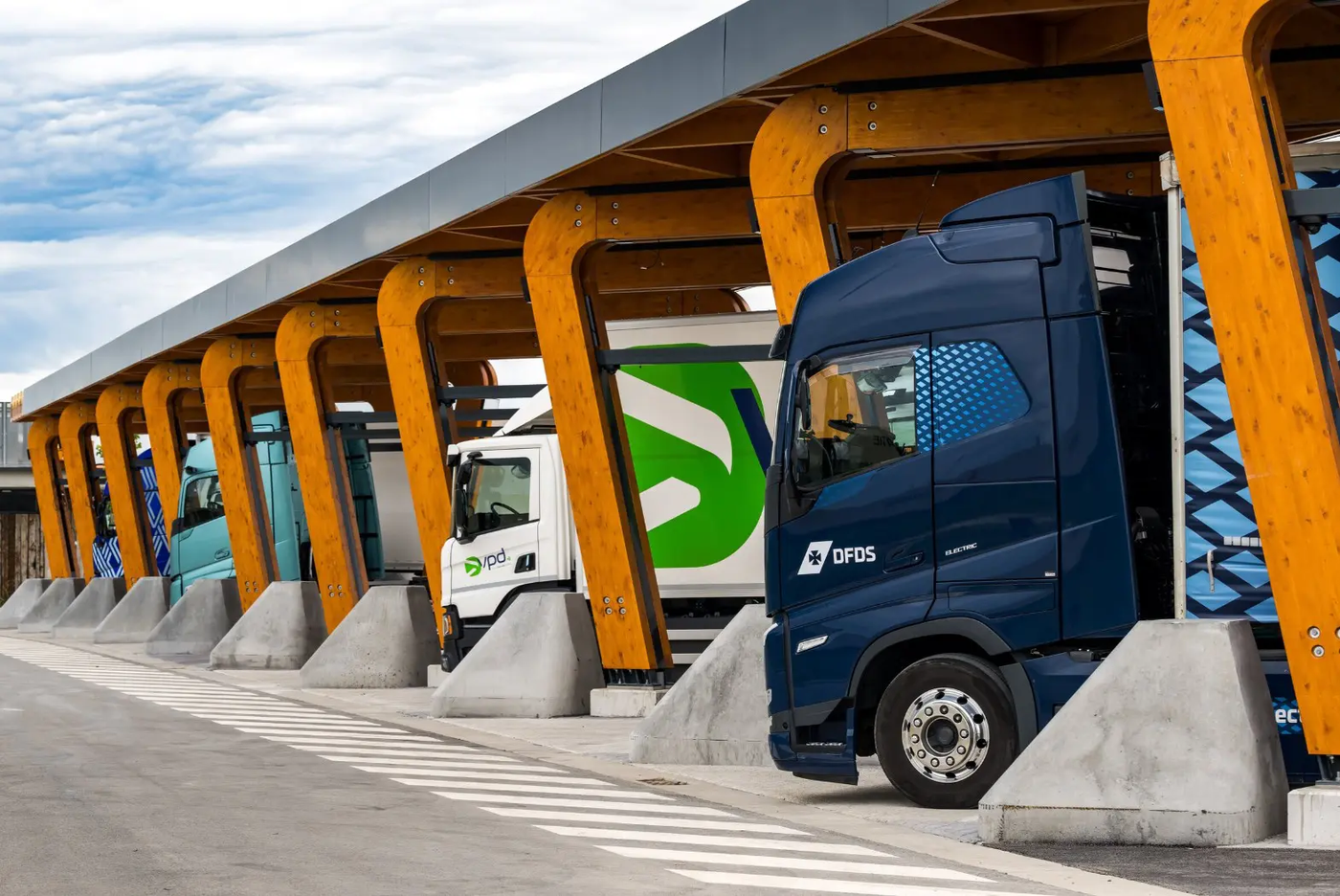
Case: Antwerp, Belgium — Milence’s Ketenis hub and the 54-truck depot that proves the other model
One of Europe’s largest public truck-charging hubs opened at the Port of Antwerp-Bruges — 20 bays, CCS 400 kW, all brands welcome — while lo…
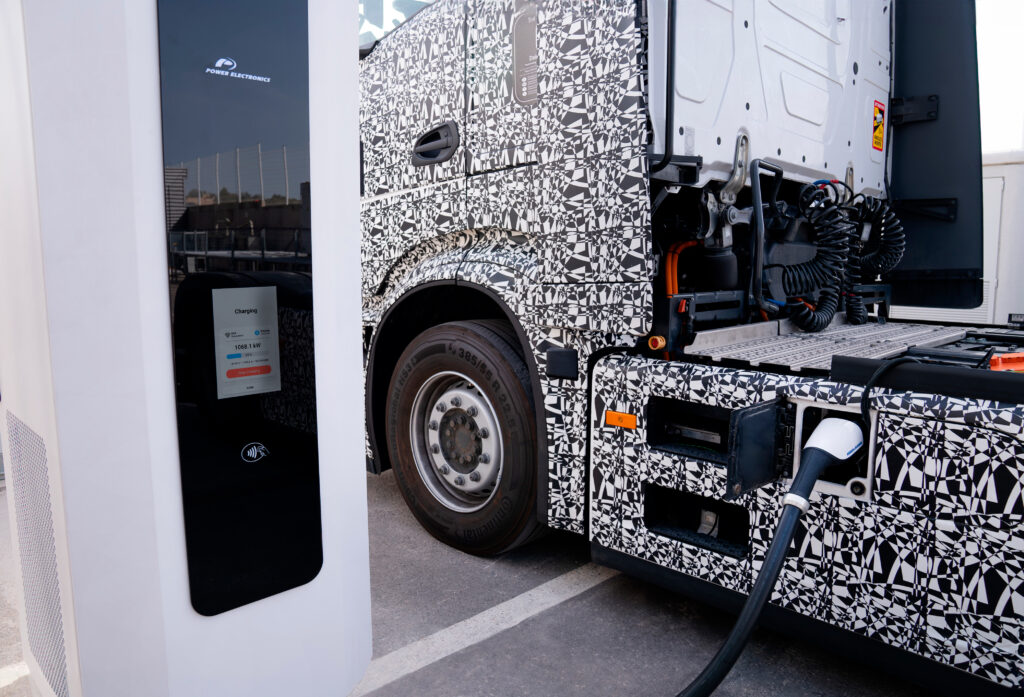
Case: Germany — the 1.1 MW test and the megawatt answer to swap
Milence and Power Electronics publicly tested a 1.1 MW megawatt charging solution — while Germany’s toll exemption to 2031 does the demand-s…
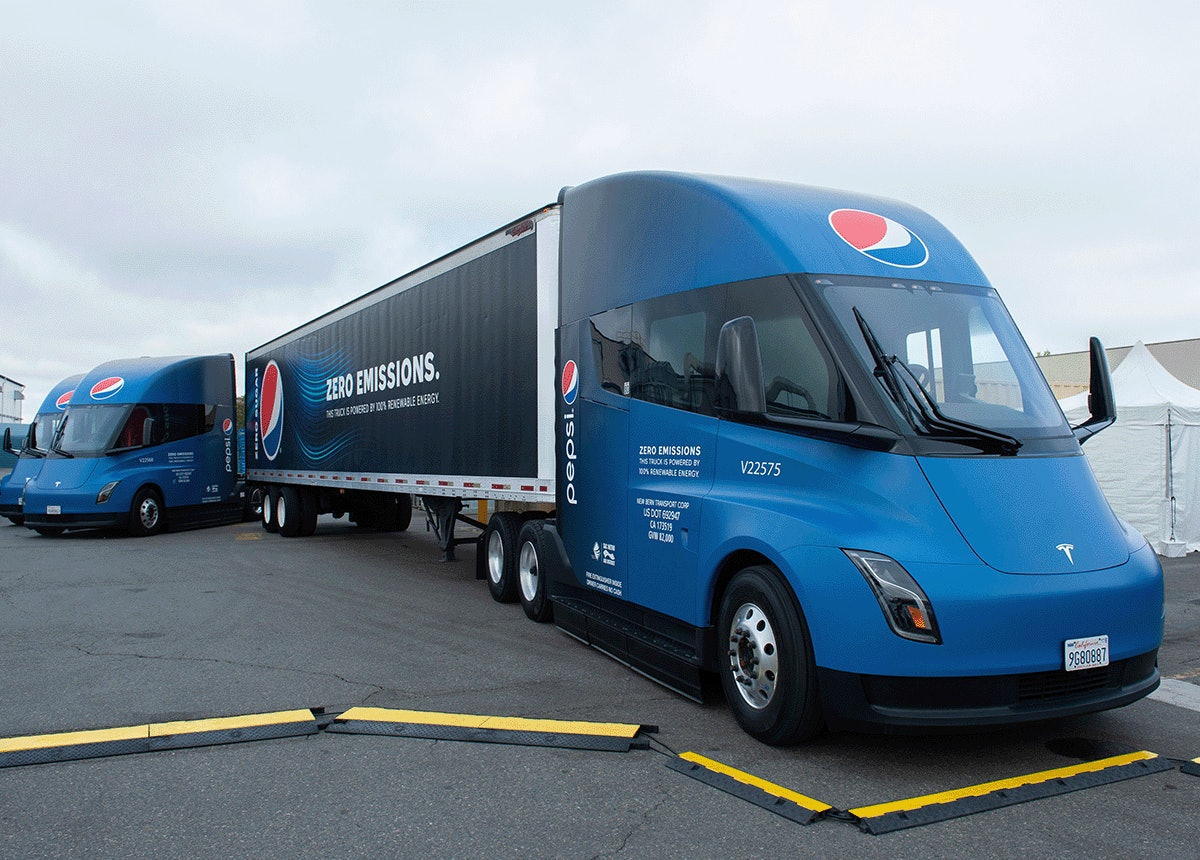
Case: PepsiCo’s Tesla Semi fleet, USA — the longest-running corporate electric truck experiment
PepsiCo has run Tesla Semis in daily beverage logistics since 2023 — the most-documented corporate e-truck deployment in the West. What thre…
Case: Norway & the Nordics — winter-proof electric trucking on hydropower
Toll exemption to 2030, the cleanest grid in Europe, and minus-20°C operations: the Nordic case proves electric trucks work in the cold — wi…
Case: the Netherlands — AanZET money, the new toll, and Europe’s fastest fleet conversion
Dutch electric truck registrations doubled in 2025 to 2,025. The machinery behind it: €115,200 grants, a CO₂-graded toll since July 2026, an…